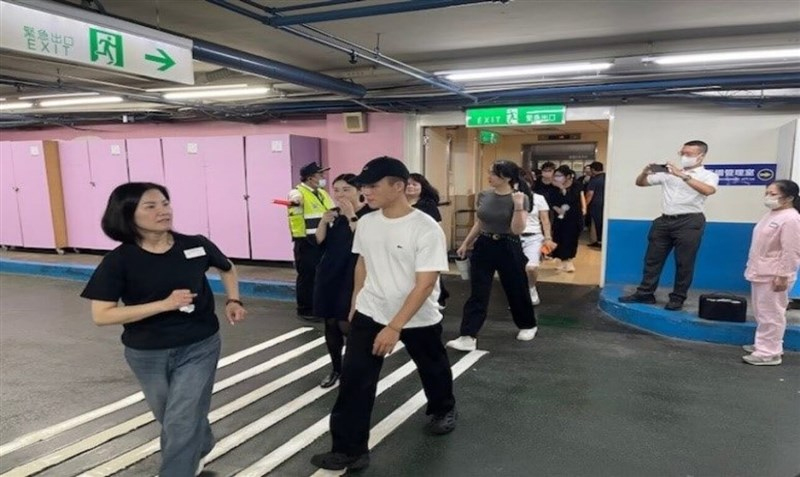

In a historic move to strengthen national resilience, Taiwan is launching its first-ever “Urban Resilience Exercises” alongside the annual Han Kuang military drills from July 15–18. For the first time, supermarkets, retail outlets, convenience stores, and public venues in selected “key verification zones” must actively evacuate shoppers and staff to air-raid shelters or basements when sirens sound—ushering in a new era of civilian-military cooperation.
Why This Shift Matters
Historically, Taiwan’s Wan An air-raid drills consisted solely of sirens prompting pedestrians and drivers to halt and take cover. But the expanded exercises reflect updated priorities:
- Active Evacuations: Trained staff at commercial venues (e.g., Carrefour, RT-Mart, convenience stores) must guide customers to shelters or safe rooms during drills.
- Expanded Scope: The exercises now also encompass emergency response coordination—shelter usage, first-aid setups, traffic rerouting, and critical infrastructure protocols .
- Civil Defense Integration: This initiative is part of the “Whole-of-Society Defense Resilience” approach introduced by President Lai Ching-te to integrate civilians into defense strategy.
What to Expect: Locations & Logistics
- Schedules & Zones
- Drills roll out regionally from July 15 to 18, with different areas participating each day (e.g., Taipei’s key districts: Zhongshan, Songshan, Zhongzheng).
- Sirens sound mid-afternoon (1:30–2 PM; eastern/islands at 10–10:30 AM).
- Venue Requirements
- Stores with basements must lead people there; those without must guide individuals to designated nearby shelters or secure areas.
- All operations (from public transport to commercial outlets) must temporarily suspend during siren periods—passing responsibility to staff and civil defense teams.
- Enforcement & Penalties
- Non-compliance may result in fines between NT$30,000–150,000.
- Police and civil defense officials will coordinate sheltering, roundups, and alerts via broadcast systems and smartphone alerts linking to shelter maps.
🔎 Expert Analysis
- Bridging Civil-Military Gaps: The move highlights Taiwan’s adoption of Ukraine-inspired total defense strategies. It leverages civilian venues and retail networks as frontline resilience assets.
- Private Sector Readiness: The first tests of retailer involvement will illustrate Taiwan’s capacity to mobilize non-state actors during crises. Success could set precedents for including more civilian infrastructure like pharmacies and public markets.
- Potential Challenges:
- Public Awareness: Ambiguity in roles of store staff vs. civil defense personnel needs to be resolved to ensure calm and orderly evacuations.
- Operational Strain: Retail chains must establish clear shelter pathways and coordinate with authorities—possible logistical and compliance hurdles lie ahead.
- Legal and Privacy Considerations: Managing crowds during drills must balance public safety with individual rights and operations in densely occupied outlets.
FAQ
Which areas are included in the drill?
Each city/county has three designated “key verification zones” (e.g., Zhongshan, Songshan, Zhongzheng in Taipei, various districts in Tainan, Taichung, Kaohsiung).
Do all retail stores have to participate?
Only stores in designated zones. Participation is mandatory under the Civil Defense Act, subject to NT$30K–150K fines.
What if a store has no basement?
They must escort individuals to nearby shelters or sturdy external structures upon hearing sirens.
How will people know where shelters are?
Alerts via phone apps and mobile banners will guide people to nearest shelter maps; public announcements and staff will assist in evacuation.
Are sirens followed by other activities?
Yes. After sirens, civil defense teams will simulate emergency aid, set up relief stations, and test communications and logistics.